chart

About Chris Hart

This author has not yet filled in any details.
So far Chris Hart has created 152 blog entries.

Bird Friendly Windsor

By |2021-07-11T12:07:00-04:00June 8th, 2021|The Egret Article|

By Jennifer Nantais

Pelee Island Bird Observatory (PIBO) has signed up to work toward the goal of making Windsor one of Canada’s first Bird Friendly Cities. This certification program, created by Nature Canada and Environment and Climate Change Canada, recognizes and celebrates the contributions of communities toward the creation of a more bird friendly environment.

So far, a local volunteer bird team has been created, and PIBO has obtained funding to add an urban bird educator and an education assistant to the staff working on this certification process. Current projects are focused on developing outreach opportunities to share information about hazards that birds face in an urban environment, including window and vehicle collisions, disturbance of nesting and roosting sites, and the impacts of pesticides and light pollution, just to name a few.

The team is working on a survey for landscapers to learn about their current knowledge and practices pertaining to native vegetation and bird and wildlife friendly gardening practices. We are also developing outreach projects to educate private citizens about options in their yards and home gardens.

World Migratory Bird Day

The bird team celebrated World Migratory Bird Day on May 8th by hosting a virtual scavenger hunt. This family friendly event encouraged participants on three teams to practice safe social distancing while exploring Essex County to complete 25 tasks that required them to photograph birds, answer a variety of questions, and share their passion for nature.

The celebration continued into the evening with a virtual gala. This online event welcomed renowned authors, including Margaret Atwood, and featured speaker David Lindo, who discussed how his passion for birds was born in an urban environment. Over 200 viewers tuned in, and the event successfully raised funds to support future bird research.

Photo Contest

A bird-themed photo contest and virtual art exhibit also accompanied these World Migratory Bird Day events. Stay tuned for the photo contest winners, which will be shared on the PIBO website, social media, and the Bird Friendly Windsor project Facebook page. Like or follow this page to keep up on our progress, receive related content about keeping birds safe in an urban environment, and help us to spread the word about making Windsor a Bird Friendly City.

Art Exhibit

The art exhibit that kicked off on World Migratory Bird Day will remain open, and submissions are welcome from artists and bird lovers of all ages. Not only is this a fun way to show off your talent, but the more entries we can share, the more opportunities we will have to showcase Windsor and Essex County’s love of birds and passion for becoming a Bird Friendly City.

City Bird

The next step is to select a city bird! This exciting public engagement opportunity will give citizens a chance to first nominate the birds they think would best represent the city of Windsor, then vote as a community on the winner! Which bird do you think should be chosen? Let us know the bird you wish to nominate, and why you think this should be our city bird. Once the most popular nominations have been gathered, the official nominees will be announced. Stay tuned, and make sure to vote!

Please send submissions for the virtual art exhibit to

Hermit thrush, photo by Jennifer Nantais
Comments Off on Bird Friendly Windsor

Planting with Pleasure and Purpose

By |2021-03-15T17:27:37-04:00March 9th, 2021|The Egret Article|

By Andy Paul

Photos by Jessica Middleton

For some of us, the beginning of spring isn’t announced by a date on a calendar, but by the subtle signs that emerge around us.  It might be the first sound of a red-winged blackbird that catches your attention, or the red buds of the maple tree that you notice on your walk.  Or maybe it’s that day you step outside your front door to take a deep, long breath of that fresh, earthy air (you know the smell).  However you recognize it, spring is upon us.  And it couldn’t come soon enough this year.  Perhaps more than any other year, many of us are eager to get back to life outdoors – and to do so in as safe a way as possible.  With ongoing talk of vaccine rollouts, variant virus strains, and colour-coded public safety restrictions, it may just be the perfect time to start the season off simply – by greening up your own backyard (or patio, or sunny window spot).  And if you choose to use native species of plants to make your living space a little more healthy, diverse and pleasing to the eye, you’ll actually be doing so much more than just that.  You will be part of a movement that is making a difference, one plant at a time.     

Before I share some information on native plants and their benefits, I want to begin by admitting that I am not a native plant expert – and luckily I don’t need to be.  And neither do you.  The opportunities to learn about native plants abound.  I know this because I’ve been fortunate enough to live in Windsor-Essex County, where I’ve seen wonderful examples of native plant successes, and where I’ve met inspiring people who have made the case for planting native species.  If you’re looking for examples, you can visit the Turkey Creek or River Canard Park native plant gardens where you’ll witness the beauty of their diversity and the multitude of pollinators they attract, thanks to the efforts of organizations and volunteers who helped establish these gardens.  You can hike the trails of the Ojibway Prairie, or talk with the Friends of Ojibway Prairie volunteers who maintain the garden in front of the nature centre.  You can ride your bike or take a stroll along the Herb Gray Parkway, where local experts used their native plant knowledge and their ingenuity to create a natural corridor unlike any other in the world.  You can attend local events and festivals (perhaps online, for now), to engage in conversations with passionate people who have gained knowledge and insights about the value of native plant species through their hard work and dedication.  And you can reach out to some of our club members and local residents who have naturalized their own properties and who welcome the opportunity to share their experiences with others.  From these opportunities, you may just discover what I did – that in the big picture of things, native species provide more benefits than most people realize. So let’s explore some of those benefits.

We live deep in the Carolinian Zone, an eco-region that extends east to Toronto.  Many of the native plants that naturally grow here are unique to this region of the province, and were growing here long before Europeans arrived and settled the area.  As a result, they are well-adapted to our climate and are generally more able to survive extreme weather conditions, like the hot, dry periods in the summer.  Since native plants are well-suited to our region, they usually require less watering, fertilizing and maintenance than other species.  And many are perennials, which means they keep growing back year after year.  But there is more to native plants than that.  These plants support the variety of native wildlife species that have lived in the region for thousands of years.  Many of these plants provide the food that attracts the pollinators and beneficial predators that we depend on, ensuring the necessary nourishment and shelter that have sustained populations over millennia.  In addition to supporting our natural heritage, native plants link us to our cultural heritage as well.  Many of our native species have historically been used for food and medicine by the indigenous people of the region, and continue to be used today. 

Native plants truly offer benefits beyond those of the typical variety.  But like all plants, they require a little forethought before planting them in the ground.  Before you choose your plants and put that trowel in the soil, consider asking yourself some of the following questions:

Do you require sun or shade tolerant plants?

Should the plants you choose prefer wet or dry soil conditions?

Are the plants best planted individually or in clumps?

How high will the plants grow?

Will any plants proliferate and overcrowd others? 

Do the plants supply an abundance of pollen and nectar for pollinators?

Do you have a variety of colours to attract pollinators?

Will blooming cycles allow you to enjoy your plants from early spring to late fall?


Before you choose a nursery in search of plants this spring, consider getting in touch with some local places that sell native species.  I recommend contacting fellow ECFNC members, Darlene and Vic Bernyk, owners of Native Trees and Plants (NTP) in Amherstburg.  They have a wealth of knowledge that they have gained from years of experience, and are my local ‘go-to’ for native species.  Many people might also be surprised to know that the Loblaws chain (locally known as the Zehrs stores) has partnered with Carolinian Canada and the World Wildlife Fund to create the In The Zone initiative.  This partnership provides a way for local native plant suppliers, like NTP, to get their plants to market.  Starting sometime in May, you can shop at any one of the Zehrs stores in the area to find locally-sourced native plants for sale.  Just get there early, before the supplies run out!

With the coming of the growing season, I hope that everyone is able to enjoy some much-needed time outside.  And good luck to all with your spring plantings!  If you plant with purpose, not only will you have the pleasure of watching your living space transform before your eyes, you will be making a conscious choice to improve the quality of your health and that of our local ecosystems.  You’ll be making a big difference, from your own backyard.

PS – Here are a few photos of some of my favourite native plants…

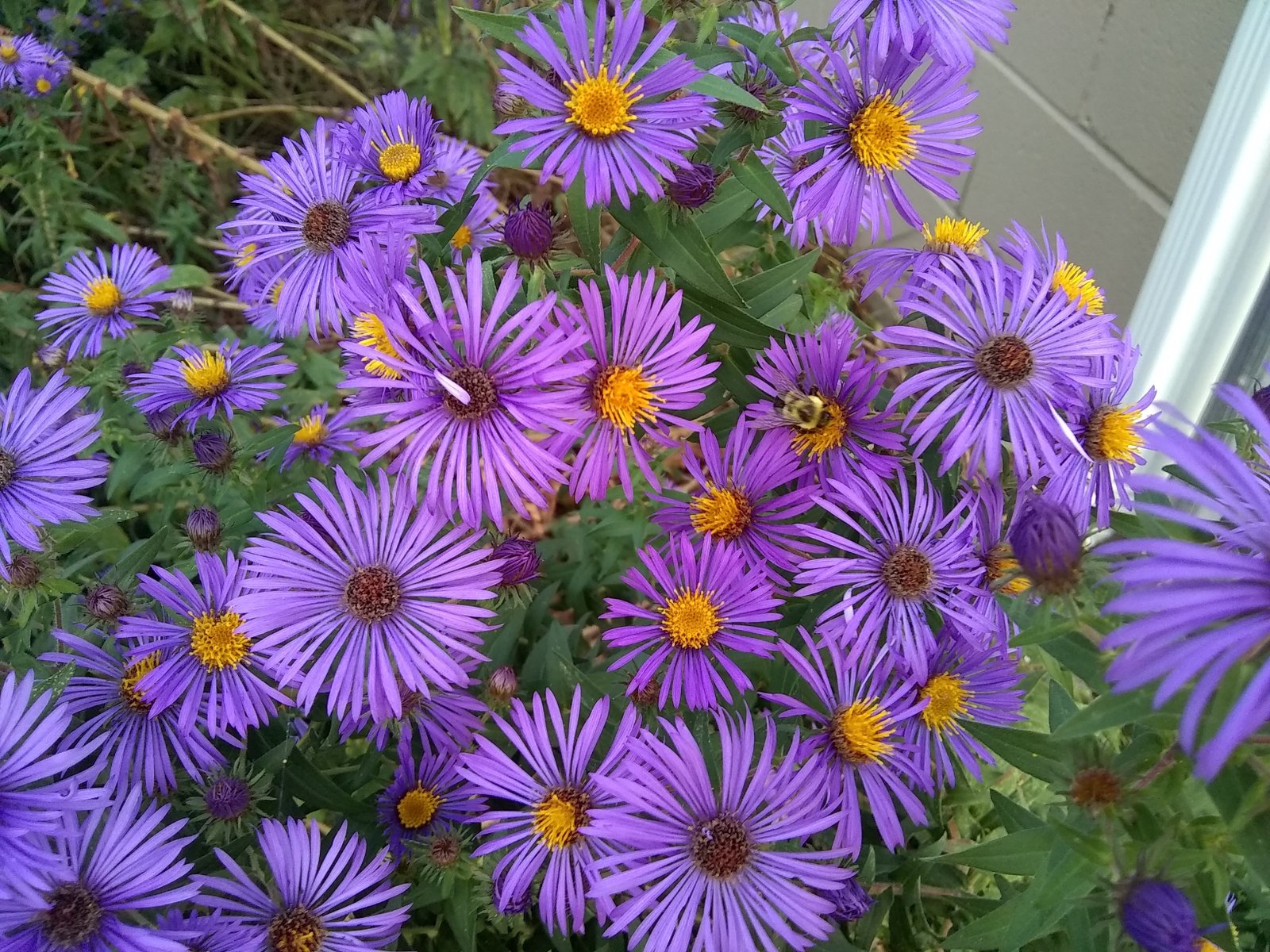
New England aster
Goldenrod
Black-eyed Susan
Cup plant
Foxglove beardtongue
Milkweed varieties

Comments Off on Planting with Pleasure and Purpose

DRCC PAC update

By |2021-03-15T17:29:27-04:00March 8th, 2021|The Egret Article, Uncategorized|

 By Tom Henderson

The Public Advisory Council (PAC) of the Detroit River Canadian Cleanup (DRCC; detroitriver.ca) is an independent branch of the DRCC representing the public. Volunteers and environment groups including the ECFNC, Little River Enhancement Group, Citizens Environment Alliance and others have held membership since we started in 2004. Meetings are open to the public and scheduled when issues arise. Gina Pannunzio has all the details.

Among the projects over the years: 

1.     Ojibway Parkway eco-passage. The Windsor-Detroit Bridge Authority donated $1.5 million seed money to the City for an eco-bridge spanning the Parkway, projected cost around six million. PAC asked the Bridge Authority to undertake a 50-50 split with the City as part of its community benefits program. At present, the Bridge Authority is awaiting a response as to how much the City is willing to pay. Hopefully the eco-bridge will be constructed.

2.     Ojibway Shores on the Detroit River: In 2013 the Windsor Port Authority announced plans to destroy most of the property for use as a dumping site during construction of the Herb Gray Parkway. Three hundred people including PAC and ECFNC members attended a rally at the WPA public meeting to express displeasure with their plans. The property was saved and eventually will join the Black Oak Heritage Park to form 100 acres of the 800 acre Ojibway Prairie Complex.

3.     Herb Gray Parkway Restoration. When the parkway was under construction, 15 acres of provincially significant wetland were destroyed in the Walker Road area. PAC and others lobbied the provincial government for compensatory lands. The province promised 45 acres and eventually restored close to 100 acres near the Spring Garden Natural Area. The DRCC virtual movie night will feature a 30 minute video “Eco-Highway” displaying the results. 

4.     PAC officials meet regularly with our American counterpart, the Friends of Detroit River based in Taylor Michigan. We lobbied on their behalf during the Revere Copper spill near the Ambassador Bridge and Marathon Oil’s piling of petcoke east of the bridge. We also supported our U.S. friends in their efforts to save the $300 million Great Lakes Restoration Initiative. President Trump wanted to reduce the amount to $3 million. He failed.

Tom Henderson has been the PAC Chair since 2005. The Vice Chair is Andy Paling of the Friends of Canard River. Technical support is supplied by Jackie Serran, DRCC RAP Coordinator and her assistant Gina Pannunzio.

Comments Off on DRCC PAC update
Go to Top