

Planting with Pleasure and Purpose
By Andy Paul
Photos by Jessica Middleton

For some of us, the beginning of spring isn’t announced by a date on a calendar, but by the subtle signs that emerge around us. It might be the first sound of a red-winged blackbird that catches your attention, or the red buds of the maple tree that you notice on your walk. Or maybe it’s that day you step outside your front door to take a deep, long breath of that fresh, earthy air (you know the smell). However you recognize it, spring is upon us. And it couldn’t come soon enough this year. Perhaps more than any other year, many of us are eager to get back to life outdoors – and to do so in as safe a way as possible. With ongoing talk of vaccine rollouts, variant virus strains, and colour-coded public safety restrictions, it may just be the perfect time to start the season off simply – by greening up your own backyard (or patio, or sunny window spot). And if you choose to use native species of plants to make your living space a little more healthy, diverse and pleasing to the eye, you’ll actually be doing so much more than just that. You will be part of a movement that is making a difference, one plant at a time.
Before I share some information on native plants and their benefits, I want to begin by admitting that I am not a native plant expert – and luckily I don’t need to be. And neither do you. The opportunities to learn about native plants abound. I know this because I’ve been fortunate enough to live in Windsor-Essex County, where I’ve seen wonderful examples of native plant successes, and where I’ve met inspiring people who have made the case for planting native species. If you’re looking for examples, you can visit the Turkey Creek or River Canard Park native plant gardens where you’ll witness the beauty of their diversity and the multitude of pollinators they attract, thanks to the efforts of organizations and volunteers who helped establish these gardens. You can hike the trails of the Ojibway Prairie, or talk with the Friends of Ojibway Prairie volunteers who maintain the garden in front of the nature centre. You can ride your bike or take a stroll along the Herb Gray Parkway, where local experts used their native plant knowledge and their ingenuity to create a natural corridor unlike any other in the world. You can attend local events and festivals (perhaps online, for now), to engage in conversations with passionate people who have gained knowledge and insights about the value of native plant species through their hard work and dedication. And you can reach out to some of our club members and local residents who have naturalized their own properties and who welcome the opportunity to share their experiences with others. From these opportunities, you may just discover what I did – that in the big picture of things, native species provide more benefits than most people realize. So let’s explore some of those benefits.
We live deep in the Carolinian Zone, an eco-region that extends east to Toronto. Many of the native plants that naturally grow here are unique to this region of the province, and were growing here long before Europeans arrived and settled the area. As a result, they are well-adapted to our climate and are generally more able to survive extreme weather conditions, like the hot, dry periods in the summer. Since native plants are well-suited to our region, they usually require less watering, fertilizing and maintenance than other species. And many are perennials, which means they keep growing back year after year. But there is more to native plants than that. These plants support the variety of native wildlife species that have lived in the region for thousands of years. Many of these plants provide the food that attracts the pollinators and beneficial predators that we depend on, ensuring the necessary nourishment and shelter that have sustained populations over millennia. In addition to supporting our natural heritage, native plants link us to our cultural heritage as well. Many of our native species have historically been used for food and medicine by the indigenous people of the region, and continue to be used today.
Native plants truly offer benefits beyond those of the typical variety. But like all plants, they require a little forethought before planting them in the ground. Before you choose your plants and put that trowel in the soil, consider asking yourself some of the following questions:
Do you require sun or shade tolerant plants?
Should the plants you choose prefer wet or dry soil conditions?
Are the plants best planted individually or in clumps?
How high will the plants grow?
Will any plants proliferate and overcrowd others?
Do the plants supply an abundance of pollen and nectar for pollinators?
Do you have a variety of colours to attract pollinators?
Will blooming cycles allow you to enjoy your plants from early spring to late fall?
Before you choose a nursery in search of plants this spring, consider getting in touch with some local places that sell native species. I recommend contacting fellow ECFNC members, Darlene and Vic Bernyk, owners of Native Trees and Plants (NTP) in Amherstburg. They have a wealth of knowledge that they have gained from years of experience, and are my local ‘go-to’ for native species. Many people might also be surprised to know that the Loblaws chain (locally known as the Zehrs stores) has partnered with Carolinian Canada and the World Wildlife Fund to create the In The Zone initiative. This partnership provides a way for local native plant suppliers, like NTP, to get their plants to market. Starting sometime in May, you can shop at any one of the Zehrs stores in the area to find locally-sourced native plants for sale. Just get there early, before the supplies run out!

With the coming of the growing season, I hope that everyone is able to enjoy some much-needed time outside. And good luck to all with your spring plantings! If you plant with purpose, not only will you have the pleasure of watching your living space transform before your eyes, you will be making a conscious choice to improve the quality of your health and that of our local ecosystems. You’ll be making a big difference, from your own backyard.
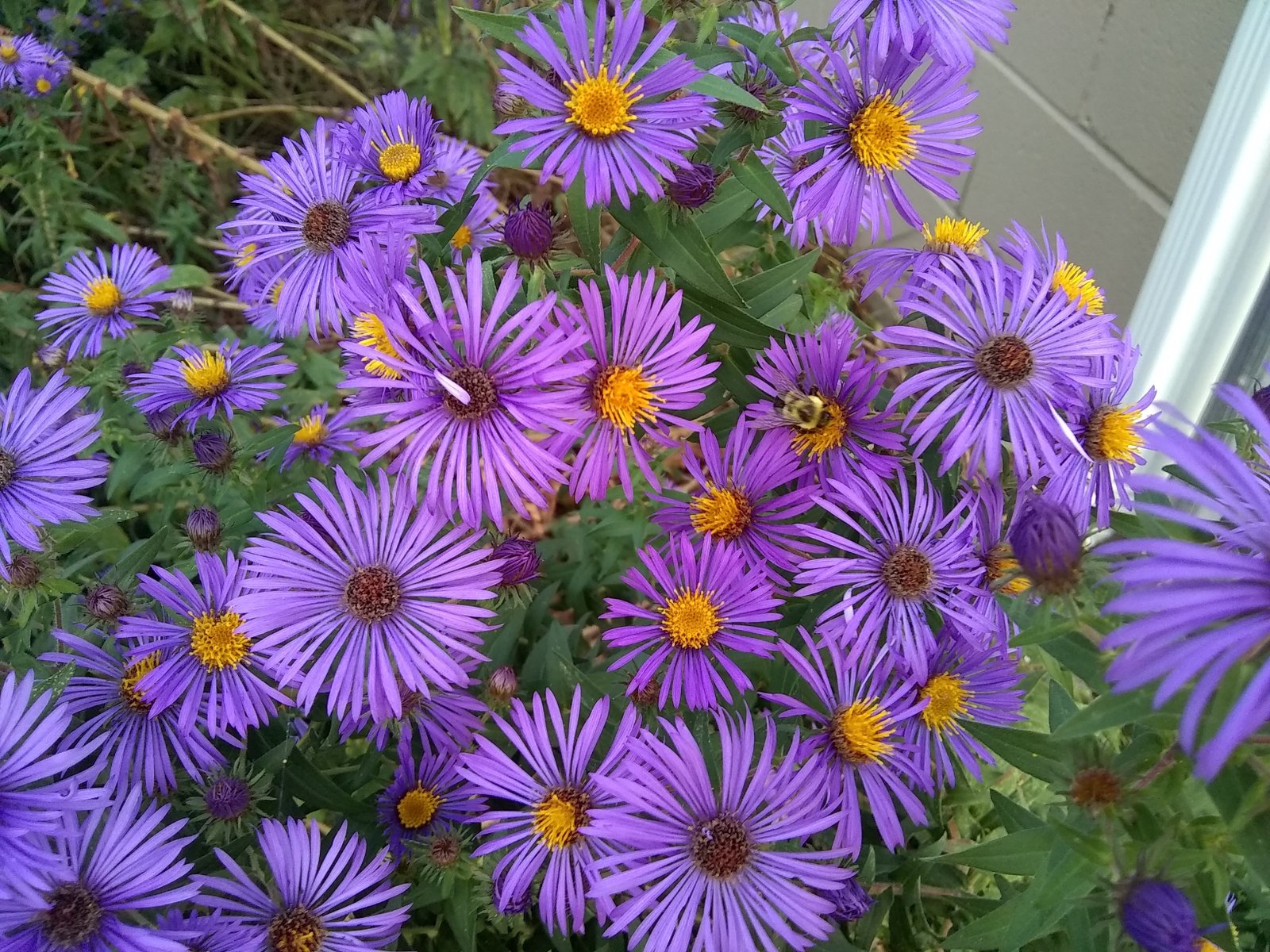
PS – Here are a few photos of some of my favourite native plants…


You must be logged in to post a comment.